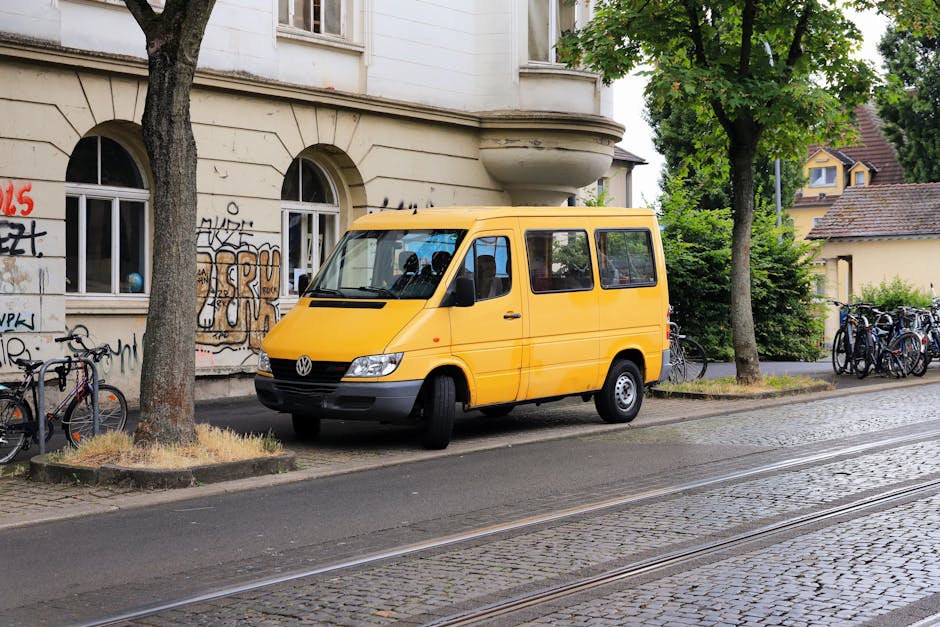
Which Van Size Suits Turnpike Lane Flats?

Choosing the right van for a flat move sounds simple until you are standing in a Turnpike Lane stairwell, trying to picture a sofa, three boxes of books, a bedside table, and a bike all fitting through a narrow landing. That is where the real question starts: which van size suits Turnpike Lane flats? The answer depends on your furniture, access, parking, stairs, and how much you want the day to feel calm rather than chaotic. This guide breaks it all down in plain English, with practical examples and the kind of judgement that helps on moving day.
If you are planning a local move, a single item pick-up, or a fuller flat relocation, it also helps to understand the wider service options. You may find it useful to look at man and van services, removal van options, or the company's pricing and quotes page while you weigh up what makes sense. Simple enough on paper. In real life, not always.
Below, you will find van-size guidance, a comparison table, common mistakes, a checklist, and FAQs aimed at anyone moving in or out of a Turnpike Lane flat. Whether you are in a studio off the high street or a top-floor two-bed with tight stairs, the goal is the same: choose a van that fits the job without paying for space you do not need.
Why Which Van Size Suits Turnpike Lane Flats? Matters
Van size matters more for flat moves than many people expect. With houses, you often have a bit more room to spread out. With flats, you are usually dealing with stairwells, shared entrances, lifts that are smaller than you hoped, and neighbours who would prefer the hallway to stay clear. A van that is too large can be awkward to park and unload. A van that is too small can force multiple trips, which eats time and energy fast.
For Turnpike Lane specifically, the local setting adds a few real-world wrinkles. Busy roads, limited stopping space, and tight residential streets can all affect how easily a vehicle can access your building. A smart van choice can make the difference between a smooth morning and a moving day that feels like a game of Tetris with the lights off.
The right van size also helps you control cost. If you hire a vehicle that is far bigger than needed, you may pay for unused capacity. If you go too small, you may need a second trip or extra labour. Neither is ideal. The sweet spot is usually the smallest van that still fits your actual load and access conditions.
And there is a comfort factor too. Let's face it, moving is already tiring. If the van fits properly, loading is more organised, items are less likely to be crammed in badly, and the whole job tends to feel more controlled. That matters, especially when you are moving out of a flat where every corridor seems just a little too narrow.
How Which Van Size Suits Turnpike Lane Flats? Works
Think about van size in three layers: volume, access, and loading shape. Volume is how much stuff the van can physically hold. Access is whether the van can get close enough to your flat without causing problems. Loading shape is about how the space inside is laid out, because a van with the same capacity as another may still be easier or harder to use depending on the furniture you own.
For most flat moves, people compare small, medium, and large vans. A small van is usually suitable for a few boxes, a chair, small household items, or a studio with very little furniture. A medium van is often the best all-round choice for a one-bed flat, especially if you have a bed frame, sofa, chest of drawers, and kitchen items. A larger van may suit a bigger two-bed flat, or any move with bulky items, multiple wardrobes, or awkward furniture that cannot be dismantled easily.
The important bit is not to judge by room count alone. A one-bed flat can be surprisingly heavy if you own books, appliances, and furniture. On the other hand, a two-bed flat with minimal furniture might fit neatly into a medium van. The honest way to judge is to list your biggest items first, then add the boxes and anything awkward such as mirrors, plants, or under-bed storage tubs.
If you are unsure, good removal providers often help you estimate the right van from a quick inventory. That is where services like removal services and man with van help can be useful, because the vehicle choice can be matched to the job rather than guessed. Much better than hoping for the best, which is a plan, sort of, until it isn't.
Key Benefits and Practical Advantages
Choosing the correct van size for a Turnpike Lane flat move gives you more than just enough room. It improves the whole pace of the day. Loading and unloading becomes quicker because items can be placed logically rather than packed in like leftovers in a too-small fridge. You also reduce the risk of damage, because furniture does not need to be forced into tight angles or balanced on top of soft items.
There is also less stress around timing. Multiple trips can stretch a move across the day, and in busy London areas that can be a real headache. A well-sized van means fewer return journeys, fewer parking decisions, and less chance of arriving at the new place late in the afternoon when everyone is already exhausted.
Another benefit is safety. When the van matches the job, heavy lifting can be planned more sensibly. That matters for stair access in flats, where one awkward carry on a narrow landing can make the whole thing feel harder than it should. A sensible setup is not glamorous, but it works.
From a practical customer point of view, the right van size helps you keep control of budget, time, and effort at the same time. That triple win is exactly what most people want, even if they only say it after the move is done and they are standing in an empty room with a kettle and one rogue sock.
Who This Is For and When It Makes Sense
This question is relevant if you live in a studio, one-bed, or two-bed flat in or around Turnpike Lane, or if you are moving a few large items into a flat. It also makes sense for renters who move often, people downsizing, students with furniture, and anyone who needs a straightforward local removal without a full-size lorry.
It is especially useful if your property has:
- narrow stairs or a tight communal hallway
- limited roadside parking
- a small lift with restricted dimensions
- bulky furniture that may need dismantling
- short access windows for loading and unloading
If any of those sound familiar, van choice becomes more than a minor detail. It becomes part of the strategy. A flat with easy ground-floor access and direct street parking can sometimes take a larger van without fuss. A top-floor flat with a difficult entrance is a different story entirely.
This topic also matters if you are comparing self-managed moving against a service-led move. For people who want hands-on help, home moves and house removals can be a better fit than hiring transport alone. If you only need one or two items shifted, something lighter like furniture pick-up may be enough.
Step-by-Step Guidance
Here is a practical way to work out the best van size without overthinking it.
- List every large item first. Start with sofa, bed, mattress, table, wardrobes, fridge, washing machine, desk, and anything else bulky. These items decide the vehicle more than the boxes do.
- Count your box load realistically. People often underestimate this. A flat move can create more boxes than expected, especially if you have books, kitchenware, or wardrobe contents packed separately.
- Check access at both ends. Measure lift size if there is one, think about stair width, and consider whether a van can park nearby. Sometimes access is the limiting factor, not the amount of stuff.
- Think about dismantling. If your bed or wardrobe can be broken down, the van requirement may drop significantly. If not, allow more room.
- Match the van to the actual load, not the fantasy version. We all like to imagine everything will stack neatly. In reality, lamps, odd-shaped boxes, and soft furnishings interrupt that plan.
- Confirm the loading order. Heavy items should go in first, then stable furniture, then boxes, then soft items filling gaps. That helps protect belongings and keeps the van balanced.
As a rough rule, small vans suit minimal flat moves, medium vans suit most one-bed flats, and larger vans suit fuller one- to two-bed flats with more furniture. But treat that as a guide, not a law carved into stone. The building access can change the answer completely.
If you want a more hands-off solution, it can be worth speaking to a removal company early on. A decent provider will usually ask the right questions rather than simply offering the biggest van on the yard, which is reassuring and, frankly, a bit more professional.
Expert Tips for Better Results
First tip: measure the big furniture in advance. Not just roughly. Measure it properly. A sofa that "looks fine" in the lounge can become suspiciously huge when you try to angle it through a stair turn. This is one of those little moving-day truths nobody enjoys discovering at the door.
Second tip: give yourself a small buffer if your flat has awkward access. If the space is tight, choose a van with a little more breathing room than the bare minimum. It is usually better to have a bit of spare capacity than to be operating on the edge.
Third tip: pack boxes by room and weight. Keep heavy boxes small and light boxes larger. That makes loading safer and helps the move go faster. If you are short on time or simply fed up with tape everywhere, packing and unpacking services can save a lot of effort.
Fourth tip: confirm whether your building has any rules about moving times or access. Some flats prefer quieter hours for loading, and shared entrances need a bit of courtesy. A polite, tidy move goes a long way in a block of flats.
Fifth tip: use proper protection for corners, glass, and polished furniture. A moving blanket and a bit of strategic strapping are boring, but they work. Boring is good on moving day.
And one more, because it matters: always leave a bit of space in the van for last-minute items. You will nearly always find one more lamp, one more chair, or one more bag in the final ten minutes. Always.
Common Mistakes to Avoid
The biggest mistake is underestimating the volume of the move. People often think in terms of rooms rather than actual items, and rooms can be deceptive. A "small one-bed flat" can still hold more stuff than a larger-looking home if it has been lived in for years.
Another common error is ignoring access restrictions. A van that is perfect on paper may be a poor choice if it cannot park anywhere near your building. In Turnpike Lane, that can turn into a lot of extra carrying. Nobody wants to walk furniture up and down the street because of a rushed decision.
Some people also forget to account for disassembly. If the bed frame does not come apart, if the wardrobe is one-piece, or if the sofa is unusually deep, the van requirements change fast. Measure first, guess second. Or better yet, don't guess at all.
Do not assume that a larger van is always better. It can be harder to park, harder to load neatly, and more expensive than you need. Bigger is not automatically smarter. There, that's the myth dealt with.
Finally, avoid packing the van randomly. A badly loaded vehicle can waste space and increase the chance of damage. Good loading is not about brute force; it is about sequence and shape.
Tools, Resources and Recommendations
You do not need fancy tools to choose the right van size, but a few simple things help a lot. A tape measure is the obvious one. Use it on your sofa, bed base, fridge, mattress, and any item that looks borderline. A notebook or phone list helps too, especially if several people are packing in different rooms.
A rough floor plan can also be useful. Nothing polished is needed. Just sketch the new flat and mark where the largest items might go. That helps you see whether bulky pieces need to be loaded first or left until the end for easier positioning.
For transport options, a smaller job may suit man and van removals, while a fuller household move may be better handled through movers or removals. If you are moving especially large or unusually heavy items, a moving van may be the more practical choice.
Good service providers should also be transparent about access, insurance, and timing. If you want reassurance before booking, it is sensible to review insurance and safety information and the terms and conditions. That kind of reading is not exciting, admittedly, but it can save a headache later.
If you are comparing more than one provider, see whether they ask for item details rather than just flat size. That usually tells you a lot about how carefully they work.
Law, Compliance, Standards, or Best Practice
For a flat move, the main compliance concerns are usually practical rather than legal drama. In the UK, moving companies are expected to operate safely, handle goods with reasonable care, and communicate clearly about service terms. If your move involves shared areas, parking restrictions, or access control, you should also follow building rules and show consideration to neighbours.
Health and safety best practice matters here. Heavy lifting should be planned sensibly, items should be secured properly, and walkways should be kept clear. That sounds basic, but basic is exactly what prevents a lot of avoidable problems. If you want a sense of how a provider approaches these issues, the company's health and safety policy is a sensible place to look.
Insurance is another point worth checking. It is wise to understand what cover exists for transit, handling, and accidental damage before anything is loaded. You do not need to become an insurance expert. You just need clarity before the van turns up.
There is also a broader best-practice angle around waste and packing materials. Reusing boxes, reducing unnecessary packaging, and disposing of unwanted items responsibly are all sensible habits. If you are clearing out as you move, the page on recycling and sustainability may be relevant too.
In short: keep it safe, keep it transparent, and keep it proportionate to the job. That is usually enough for a straightforward flat move.
Options, Methods, or Comparison Table
Here is a simple comparison to help you narrow things down. It is not exact to the centimetre, because real furniture and real buildings always complicate things a bit, but it is a useful starting point.
| Van size | Best suited for | Typical use in a flat move | Main limitation |
|---|---|---|---|
| Small van | Minimal loads, single items, compact studio moves | Few boxes, a chair, small shelving, light furniture | Runs out of space quickly |
| Medium van | Most one-bed flat moves | Sofa, bed, mattress, several boxes, small appliances | May be tight for bulky wardrobes or lots of boxes |
| Larger van | Fuller one-bed or smaller two-bed flat moves | Multiple large items, more boxes, mixed furniture | Can be harder to park and access in tight streets |
| Extra-large vehicle | Bigger loads or mixed household contents | Full flat contents, heavy furniture, awkward shapes | Often unnecessary for many Turnpike Lane flats |
The middle ground is often the winner. A medium van is frequently enough for a typical flat move, especially if you are organised and your furniture is partly dismantled. But if your flat is full of heavy books, storage units, and a couple of awkward pieces, it can be wiser to step up one size. No heroics needed.
If you are comparing service styles rather than vehicle sizes, removal van, man with a van, and removal truck hire all sit in slightly different places. The right choice depends on the amount of furniture, the access at your building, and how much assistance you want on the day.
Case Study or Real-World Example
A typical Turnpike Lane scenario might look like this. A renter is moving from a second-floor one-bed flat into another flat nearby. They have a sofa, double mattress, dismantled bed frame, small dining table, two chairs, a chest of drawers, a TV, and about twenty boxes. The access at both ends is decent, but the stairs are narrow and the street is busy.
At first glance, they think a small van might do it. It probably would not. Once the mattress, sofa, and table are accounted for, the remaining boxes would be awkward, and the move would likely need careful stacking or a second trip. A medium van is the more realistic choice here. It gives enough room without becoming unnecessarily large for the street.
Now compare that with a studio flat move: one bed, a compact desk, six boxes, a small armchair, and a few bags. In that case, a small van could be absolutely fine. The difference is not just the number of rooms. It is the shape of the load.
And here's the bit people often miss: if the move includes a bulky item like a wardrobe that cannot be dismantled, the entire equation changes. One awkward item can turn a small-van job into a medium-van job very quickly. Sometimes that one item is the whole story.
That is why a short pre-move inventory is so useful. It sounds a bit tedious at the start, but it saves time, money, and a lot of guessing later.
Practical Checklist
Use this checklist before booking your van size for a Turnpike Lane flat move.
- Measure all large furniture items.
- Check whether beds, tables, and wardrobes can be dismantled.
- Count boxes honestly, not optimistically.
- Confirm stair access, lift size, and hallway width.
- Check where the van can park near both properties.
- Decide whether you need one trip or can accept two.
- Think about how heavy items will be carried safely.
- Review whether you need help with packing or loading.
- Ask about insurance and safety cover before booking.
- Keep a small buffer for last-minute bags or loose items.
One simple habit helps a lot: put all your "might need a van" items in one room or corner a day before moving. When you can see the pile together, your judgement improves almost instantly. It makes the move feel more real, too. Slightly terrifying, but useful.
Conclusion
So, which van size suits Turnpike Lane flats? In most cases, the answer is a medium van for a typical one-bed flat, a small van for very light studio moves, and a larger van when furniture volume, stairs, or access problems make the job more demanding. The real key is not the label on the vehicle, but whether it matches your load, your building, and your timing.
Be practical, measure the big items, and do not underestimate how quickly a flat move can fill space. If you get the size right, the day tends to feel smoother, safer, and much less rushed. That is the aim. Not perfection. Just a move that works properly and leaves you enough energy to find the kettle, which is usually the first heroic task in a new home.
If you are still comparing options, a local removal provider can often help you choose the right vehicle from a simple inventory and access check. And honestly, that small bit of planning can make a huge difference on the day.
Get a free quote today and see how much you can save.
Frequently Asked Questions
What van size is usually best for a one-bed flat in Turnpike Lane?
A medium van is usually the safest starting point for a one-bed flat, especially if you have a sofa, bed, mattress, and a reasonable number of boxes. If the flat is sparsely furnished, a smaller van may be enough.
Can a small van move a studio flat?
Yes, if the studio is lightly furnished and you do not have bulky items. Once you add a bed frame, a desk, or more boxes than expected, a medium van may be more practical.
Should I choose a bigger van just in case?
Not always. A bigger van can create parking and loading issues, and you may end up paying for space you never use. It is usually better to match the van to the real load with a small buffer, not a huge one.
How do I know if my furniture will fit?
Measure your biggest items and check whether they can be dismantled. Sofas, wardrobes, and bed frames are the usual troublemakers. If in doubt, ask the provider to review your item list before booking.
Does Turnpike Lane parking affect van size choice?
Yes, it can. Narrow streets, limited stopping space, and busy traffic may make a smaller or medium van easier to manage than a larger vehicle, even if the larger one technically has more capacity.
Is a removal van better than a man and van for a flat move?
It depends on the job size and how much help you want. A man and van setup can suit smaller to medium flat moves, while a larger removal van may be better for fuller loads. The names overlap a bit in practice, which is annoyingly common, but the actual vehicle and service level matter more than the label.
What if my flat is on a top floor with no lift?
Then access becomes a major factor. You may want a van with slightly more capacity so you can reduce the chance of extra trips. You should also plan carefully for carrying distances and lifting safety.
Do I need packing help as well as the right van?
Maybe. If you have a lot of fragile items, awkward boxes, or not much time, packing support can make the van size easier to manage and the whole move less stressful. It is one of those things that sounds optional until you are halfway through a living room full of tape.
How far in advance should I book the van?
As early as you can, especially if you are moving at a busy time of month. Early booking gives you more choice over van size and timing, and it leaves room to adjust if your inventory changes.
What should I ask before confirming a booking?
Ask about vehicle size, access assumptions, insurance, timing, and whether the provider needs an item list. Clear questions now usually prevent awkward surprises later.
Can I get help deciding the van size without overcommitting?
Yes. A good removal provider should be able to talk through your furniture, boxes, and access details and recommend a sensible option. That is often the easiest route, especially if you are moving from a flat with tricky access.
What is the biggest mistake people make with flat moves?
Underestimating volume and ignoring access. Those two mistakes cause most of the avoidable stress. Get them right and the rest is usually much easier to manage.
When you choose the van with a clear head rather than a hopeful one, the whole move tends to settle down. And that, in the end, is what most people want.