Man With Van Turnpike Lane

Man With Van Turnpike Lane provides a practical removal service for home moves, furniture transport and smaller commercial jobs in and around Turnpike Lane. If you need a straightforward way to move items without booking a full-scale removal operation, this type of service is designed for flexible collections, direct deliveries and careful handling of everyday belongings. It suits customers who want a tidy, organised move with sensible planning and clear communication.
Our work is centred on moving items safely, loading them with care and keeping the process efficient from the first collection point to the final drop-off. That can include single pieces of furniture, mixed household contents, flat contents, office equipment and other general goods that benefit from secure transport rather than complicated arrangements. The emphasis is on a useful service that is easy to understand and simple to request.
For a move of any size, it helps to have a service that can adapt to access, timing and the shape of the load. A man and van option is often chosen because it can be more direct than a larger vehicle hire and more practical than trying to manage every stage alone. Pricing and quotes can be discussed in relation to what needs moving, how far it is travelling and whether you need assistance with loading or unloading.
Household moving support
House moves often need more than a vehicle and a set of hands. They need the right pace, the right loading order and enough care to protect furniture and boxed items while keeping the day organised. We help with moving household goods from one address to another, including rooms of furniture, personal belongings, white goods where suitable and items that need a steady, practical approach. The service is shaped around straightforward transport rather than unnecessary extras.
When a home move is planned well, the job becomes easier to manage. It is sensible to group items by room, keep fragile pieces separate and think about how larger furniture will be carried through halls, stairs and entrances. Two useful steps are to identify the heavier items first and to keep clear access routes where possible. That helps the move progress in a calm sequence and gives the crew a better idea of the loading order before the work begins.
Household moves can vary widely, so we focus on what actually needs to travel rather than applying a fixed approach to every customer. Some jobs involve only a few key pieces, while others include a fuller selection of contents that still do not justify a larger removals operation. If you are comparing options, our home moves page gives a clearer view of this service group, and you can contact us when you are ready to arrange the next step.
Furniture and item collection

Not every request is a full move. Some customers simply need one sofa, a dining set, a bed frame or several packed items collected and taken to a new address, storage space or another destination. This service is well suited to the transport of individual pieces and mixed furniture loads where careful handling matters more than scale. It can also help with awkward items that are hard to move in a standard car or too bulky for a quick DIY approach.
Furniture transport is often at its best when the route from the property to the vehicle is planned in advance. Narrow staircases, shared entrances, tight corners and lift access all affect how the work is carried out, so it is useful to think about dimensions and access before the day. Where appropriate, soft furnishings should be protected and smaller items should be grouped so that loading is orderly rather than rushed. This keeps the service practical and reduces avoidable handling.
For customers who need a broader item-collection option, our furniture pick-up page explains a related service area. Some jobs combine furniture with boxed household goods, while others are focused on one or two pieces that need moving with care. Either way, the aim is to make the transport stage straightforward and to keep the arrangement sensible for the type of load involved.
Office and business removals
We also support commercial customers who need a van-based move for equipment, furniture or stock. Small office relocations are often best handled with a practical vehicle and a flexible loading plan, especially when a business wants to move desks, chairs, monitors, archives or light fittings without interrupting operations more than necessary. The service is suitable for organisations that need a simple transport arrangement rather than a large multi-stage relocation package.
Commercial moves benefit from a clear inventory and an agreed sequence for loading and unloading. If business items are mixed with personal effects, it is useful to separate them before collection so that the destination is easier to manage. Where fragile equipment is involved, suitable packaging and stable placement in the van matter more than speed. A well-organised move protects working assets and helps the destination space stay functional once the items arrive.
For more targeted business transport information, see our office removals page, which covers this kind of work in greater detail. Larger premises are not the only reason to use a removals service; many smaller companies simply need a practical way to shift essential items. That is where a van-based approach can be a sensible fit, especially when the load is compact but still valuable.
Packing, loading and delivery
Good moving work is not only about the journey. It also depends on how items are packed, lifted and positioned before the van leaves. We can help with loading and unloading in a way that keeps heavier goods controlled and lighter items protected. Where customers have already boxed their belongings, we focus on secure placement and efficient handling; where items are still loose, we work methodically so that everything is arranged safely for transport.
Because every load is different, packing choices should match the contents rather than follow a one-size-fits-all routine. Fragile goods need firmer support, while soft items may need less structural protection but still benefit from being kept dry and tidy. A sensible preparation list is simple:
- Separate breakables from bulkier items.
- Keep important documents and valuables with you.
- Leave walkways clear where possible.
- Label boxes if they are heading to different rooms.
About Turnpike Lane

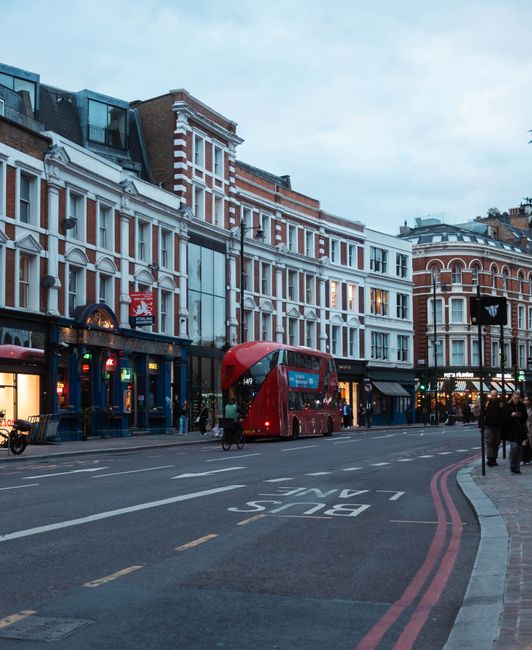
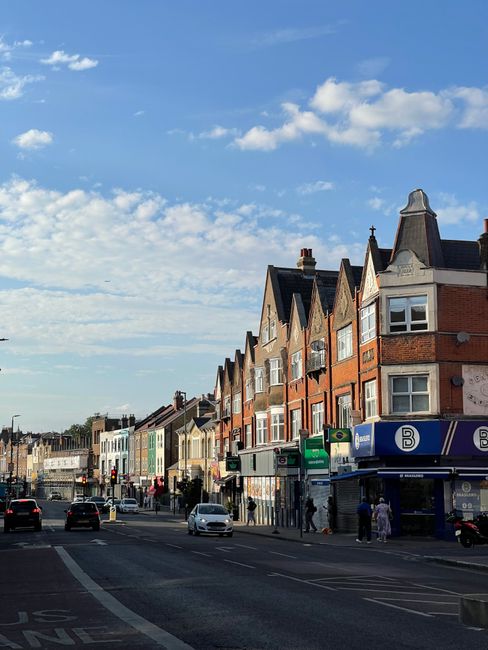
Turnpike Lane is an area in north London within the London Borough of Haringey, closely associated with the A504 and the station of the same name on the Piccadilly line. The name is often used for the immediate locality around the junction, but it also forms part of a wider urban district that blends residential streets, local shops and busy transport routes. The area developed as London expanded northwards, with the railway and later Underground connections shaping its role as a movement corridor as well as a neighbourhood centre. Green Lanes runs nearby and remains one of the best-known roads in the district, linking a long commercial strip with surrounding housing. The surroundings reflect mixed periods of growth, from older terraced streets to later twentieth-century development, and the street pattern still shows how the area evolved around transport access rather than a single planned centre. Local life is influenced by everyday shopping, access to other parts of Haringey and the surrounding North London districts, while nearby Finsbury Park, Wood Green and Hornsey help define the wider context. The result is an area that feels urban, busy and connected, with a practical character shaped by transit, high street activity and dense residential use.
Choosing the right moving option
Not every transport job needs the same scale of support. A van-based service works well when the load is moderate, the route is direct and the customer wants a practical solution without paying for unnecessary vehicle capacity. It can be useful for flat moves, student moves, single-room contents, furniture runs and short commercial transfers. The key is matching the service to the load, access and destination so that the move feels proportionate and manageable.
If you are unsure which arrangement suits your situation, it helps to think about the contents rather than the postcode alone. The man and van option is often the most flexible choice for smaller loads, while related service pages can help you compare transport styles and choose the one that suits the job. A clear description of the items, their size and the access at both ends usually gives the best starting point for a quote.
For more general moving information, the removal services page offers a broader overview of the types of work commonly covered. Some customers prefer to combine household and furniture items in one journey, while others split the move into separate collections for convenience. The best plan is usually the one that keeps handling simple and the load secure from start to finish.
Care with fragile and awkward items
Items that are fragile, unusually shaped or difficult to carry need extra attention during a move. Mirrors, framed pictures, glass tables, electronics and similar belongings should be handled with stable positioning and enough space around them to avoid knocks. Large wardrobes, bed bases and appliances may also require a slower approach because their weight and dimensions can make turning, lifting and loading more demanding than the average box move.
We approach these items with a practical process that focuses on control. That means placing them safely in the vehicle, keeping them from shifting during transit and unloading them in the right order at the destination. In many cases, the difference between a smooth move and a stressful one comes down to how the items are grouped before loading. Thoughtful sequencing matters more than rushing, especially when the load contains a mix of light and heavy pieces.
Where customers need a related page on general moving vehicles, our moving van page may be useful. It sits alongside the service pages for households and smaller removals, and it can help when you want to understand the kind of transport used for compact jobs. If you are arranging a collection of delicate items, a short conversation about the contents is usually enough to decide the best setup.
Planning your quotation

A good quotation is based on facts that affect the work itself. The main details are usually the item list, the collection and delivery addresses, whether there are stairs or lift access, and whether the load needs one or two handling points. Distance and timing also matter, but the actual volume and awkwardness of the items often have just as much influence on how the job is priced and arranged.
It helps to provide a clear summary of what is being moved, along with any practical limits that could affect loading. If the job includes furniture that needs dismantling before transport or reassembly after delivery, that should be mentioned early. The same applies to parking difficulties, restricted access or anything that makes the route less straightforward. With the right information, it is easier to shape the move so that it is efficient and suitably planned.
To compare options, you may also want to look at pricing and quotes again alongside the service pages that fit your move. We keep the enquiry process simple so that you can explain the job in ordinary terms rather than filling it with unnecessary detail. Clear information leads to a clearer plan, and that is especially useful when the move involves several items or a tight schedule.
Home and flat moves
Flat moves and smaller house moves often sit neatly within a man with van service. These jobs may involve furniture, clothing, kitchen items, boxes and the everyday belongings that make up a home, but without the scale of a full house relocation. The advantage is flexibility: the job can be kept focused on the contents that actually need transport, with loading arranged around access, parking and the order in which items will be needed again at the destination.
When moving between flats, it is helpful to think about shared entrances, stairwells, lift availability and any need to protect walls or floors. Those practical details influence the best way to move items through the building and into the van. The service works best when the load is prepared in a tidy way, because that makes both collection and delivery more controlled. It also gives the customer a simpler handover at the new address.
Related household options are described on our house removals page, which sits alongside this more compact service. Some customers need only the essentials moved, while others want a fuller household transfer with a little extra support. Either way, the important thing is to keep the move matched to the contents and the practicalities of the property.
Service options and practical details
The service can be adapted to suit a variety of smaller removal needs. Some customers need a one-off delivery, others want a partial move, and some need help shifting contents between storage and home. The common factor is a need for reliable transport, careful loading and a sensible schedule. That is why a man and van arrangement is often chosen for jobs where a full removal vehicle would be more than is necessary.
If you are deciding how to structure a move, it is useful to look at the kind of support each page describes. Our removals page covers the wider category, while this page is aimed at the more compact service style. The distinction matters because it helps set expectations about vehicle size, handling and the type of job that is most appropriate. A smaller move can still deserve proper planning, even if it does not need a large-scale operation.
For a direct enquiry, use the contact route when you are ready and tell us what needs moving, where it is going and whether loading help is needed. A plain description is enough to begin. Book the right support for the job and keep the move on simple terms.
Moving locally with a straightforward approach
Local transport work is easiest when the arrangement is clear and the service stays focused on the task in hand. A van-based move can be a good choice for short trips, especially where the items are too awkward for a car but do not justify a larger crew or vehicle. It can also be useful for repeat collections or staged moves, provided the contents are kept organised and the route is practical.
Some jobs are best completed in one visit, while others work better as a planned sequence of collections and drop-offs. The right format depends on what you are moving and how quickly it needs to be delivered. If you have a mix of household items, furniture and smaller boxes, it is often worth grouping them so the load is stable and the vehicle space is used well. That keeps the process efficient without making it feel rushed.
When you are ready to compare pages, the man with van service page is a useful next step for understanding this type of work in broader terms. If the load is modest, direct and ready to travel, the arrangement can usually stay simple. That is the main strength of the service: it focuses on transport and handling without adding unnecessary complication.
Make an enquiry
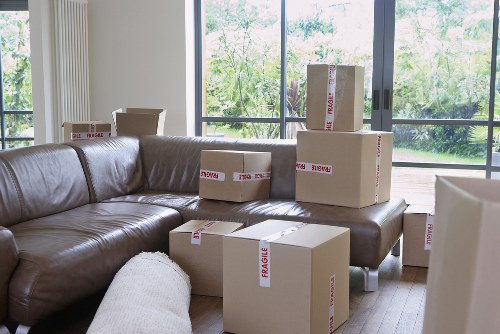
If you need Man With Van Turnpike Lane for a home move, furniture collection or small office relocation, the easiest next step is to ask for a quotation based on the items and access details. We can then look at the most suitable way to handle the move and discuss any practical points that affect loading or delivery. The more specific the description, the easier it is to shape the job sensibly.
Helpful information includes what is being moved, whether the collection or delivery point has stairs or restricted parking, and whether anything is particularly heavy or fragile. You do not need to overcomplicate the enquiry; a simple outline is enough to start. If you have already compared the related service pages, you will have a clearer sense of which type of move you need and how best to plan it.
For a clear next step, please get in touch and request a quotation. If you prefer to browse first, revisit the service pages that fit your move and then come back when you are ready to proceed. Request a quotation.