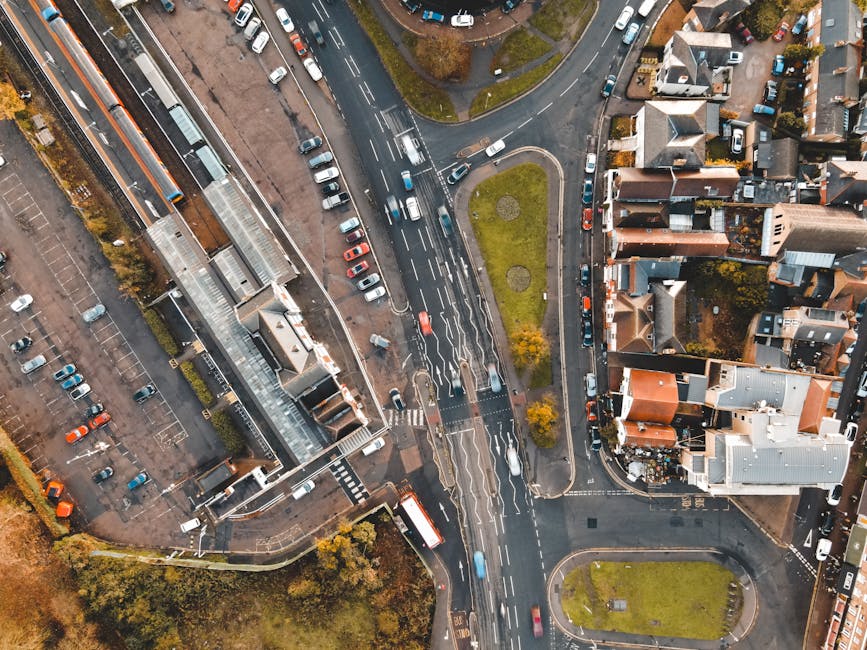
Flat-to-Flat Move on Green Lanes Estate -- Case Study
Posted on 06/07/2026
A flat-to-flat move on Green Lanes Estate can look simple on paper: same estate, short distance, fewer miles, less hassle. Then the lift is busy, the parking space disappears, and the sofa decides it does not want to pivot through the hallway. Sound familiar? This case study-style guide breaks down what really matters in a Flat-to-Flat Move on Green Lanes Estate -- Case Study, from planning and access to packing, timing, and the little decisions that save stress on moving day.
Whether you are moving between two flats in the same block, shifting along Green Lanes, or helping a tenant move out and in on the same afternoon, the process has its own rhythm. It is not quite house removals, not quite a quick van run either. The best results come from treating it like a small, precise project rather than a casual lift-and-load. Let's get into it properly.
Why Flat-to-Flat Move on Green Lanes Estate -- Case Study Matters
Flat-to-flat moves are often underestimated because the distance is short. But short moves can be surprisingly exacting. Green Lanes Estate, like many London estates, tends to bring a mix of narrow corridors, communal entrances, lift timing, limited parking, and neighbours who are very aware of every footstep. The job is less about mileage and more about coordination.
That is why a local case-study approach is useful. It shows how a move works in real conditions rather than in theory. Instead of focusing only on transport, you have to think about access, timing, handling, protection, and how many trips are genuinely needed. In our experience, the people who plan those details early usually have a far calmer day. The ones who do not? Well, they learn fast.
Green Lanes adds another layer. Traffic, loading restrictions, and the practical reality of estate access can all change how a move unfolds. If you have ever watched a trolley wheel catch on a threshold at the exact wrong moment, you know the feeling. Not ideal. A careful plan can prevent a lot of that.
If you are still shaping your move, it helps to read practical guides on decluttering before moving and smart packing techniques, because the packing decisions you make before moving day often decide how smooth the estate transfer feels.
How Flat-to-Flat Move on Green Lanes Estate -- Case Study Works
A well-run flat-to-flat move normally follows a simple structure: assess the layout, protect the property, move the essentials in the right order, and keep the route clear. The execution, though, is where the detail lives. You are not just moving items from one door to another. You are moving them through shared space without causing damage, delays, or conflict.
On Green Lanes Estate, the process usually starts with access questions. Which floor? Lift or stairs? Is the lift bookable? Can a removal van stop nearby without blocking traffic? Are there tight corners or low ceilings? These are small questions, but they shape the entire day. A two-bedroom flat with a tricky stairwell may take longer than a larger flat with a straightforward lift and parking bay. That is just how it goes.
From there, the move should be broken into stages:
- Pre-move survey or phone assessment: clarify item volume, access, and any delicate furniture.
- Packing and labelling: keep essentials separate and make room-by-room loading possible.
- Protection: use blankets, wraps, mattress covers, and corner protection where needed.
- Load sequencing: take out bulkier items first if the route allows, then stack boxes securely.
- Unloading and placement: place items directly into the correct rooms to avoid double handling.
For awkward furniture, it is worth thinking ahead about specific handling needs. Articles such as how to shift a bed and mattress safely and sofa handling and storage advice can make a surprising difference, especially if the items need to turn through a tight estate landing.
Key Benefits and Practical Advantages
There are good reasons people choose a flat-to-flat move rather than trying to coordinate a general removals day on their own. The biggest advantage is efficiency. When the move is local and focused, there is less time spent in transit and more time spent solving the actual access puzzle. That makes the day feel more manageable.
Here are the main benefits:
- Lower handling time: fewer miles usually means more time spent on loading and placement, not driving.
- Less disruption: neighbours, building management, and your own schedule all benefit from a tighter move window.
- Better control of fragile items: items are handled in one compact route rather than being repeatedly moved around.
- Good fit for smaller households: one-bedroom and studio moves can be completed neatly without overcomplicating the day.
- Easy to combine with packing support: if needed, it pairs well with box supply and route planning.
There is also a less obvious benefit: emotional relief. A short estate move can still feel stressful, but when the plan is clear, it becomes a contained task. You know what happens first, what gets left until last, and what is going where. That sounds basic, but honestly, it changes everything.
Practical takeaway: A flat-to-flat move is not "easier" just because it is shorter. It is easier when access, packing, and timing are all planned together.
Who This Is For and When It Makes Sense
This kind of move suits a few very common situations. If you are moving within the same estate, you often do not need a full-scale domestic move, but you still need proper care and organisation. That in-between space is where a local man and van approach can work very well.
It makes sense for:
- tenants moving from one flat to another on the same estate
- students or young professionals relocating locally
- couples downsizing into a nearby apartment
- landlords coordinating changeovers between occupancies
- people moving only selected furniture or bulky items
- anyone who needs a quick turnaround with minimal fuss
It is also a good fit when you need speed but still want the move handled properly. For example, if one tenancy ends at midday and the next begins in the afternoon, timing becomes absolutely critical. In those cases, a service such as same-day removals support may be the practical choice.
And if the move includes a lot of household furniture, a more specialised approach may help. The site's furniture removals service is the sort of thing that becomes useful when the job looks simple on the outside but has awkward bits hiding inside it.
Step-by-Step Guidance
Let's keep this practical. If you are planning a flat-to-flat move on Green Lanes Estate, the sequence below is a solid working model. It is not flashy, but it works.
- Walk the route first. Check the stairs, lifts, doors, and corners. If something looks tight, measure it. A few minutes here can save a lot of muttering later.
- Sort items by priority. Separate essentials, fragile items, valuables, and furniture. Keep the kettle, charger, documents, and a small change bag easy to reach.
- Pack with destination rooms in mind. Label boxes clearly. Room labels help, but so do a few word notes like "open first" or "heavy books".
- Protect the old and new flat. Use floor protection where needed and cover mattresses, glass, and polished surfaces.
- Reserve loading access if required. On estates, shared space can be the bottleneck. If access is tighter than it looks, get that sorted early.
- Move bulky items first. Sofas, beds, wardrobes, and white goods often set the rhythm of the day.
- Load the van efficiently. Heavier items should be secured properly and lighter boxes stacked safely above or around them, not wedged in loosely.
- Unload with room placement in mind. Put items in the correct room straight away. This prevents the dreaded "we moved it twice" problem.
- Check both properties before leaving. Look for forgotten items in cupboards, drawers, bathroom shelves, and behind doors. People leave surprisingly ordinary things behind. Toothbrushes, keys, a half-open packet of tea. It happens.
If you are doing the packing yourself, a quick read on cleaning before moving out can help you line up the final handover with less panic. That last-hour clean always feels longer than it should.
Expert Tips for Better Results
Here is where experience matters a bit more than theory. The small decisions make the move feel professional, even if the distance between flats is tiny.
- Do not overfill boxes. On paper it sounds efficient. In reality, it creates slow lifting, crushed edges, and back strain.
- Keep a "first night" bag. Put toiletries, a change of clothes, a phone charger, medication, and snacks in one place.
- Use consistent labels. Random labels lead to random unloading, which then leads to random frustration. Not a good chain.
- Match the van to the move. A smaller van may be fine for a studio, but a larger load can be quicker if done in one journey.
- Plan around the building's quiet hours. Many estates are not fond of early morning dragging sounds. Fair enough, really.
- Protect corners and door frames. In flats, scratches tend to happen at the turn, not the straight line.
- Keep delicate items separate from the main pile. Glass, electronics, and framed pieces deserve their own space.
A useful extra tip: if you have one or two awkward heavy items, do not improvise with poor lifting form. A small strain can ruin an otherwise smooth day. If you want a reminder of safe handling basics, this heavy-lifting guide is worth a look.
And yes, sometimes the best tip is simply to slow down for ten seconds before moving the next item. That tiny pause can stop a knock, a scrape, or a bad decision. Tiny pause. Big difference.

Common Mistakes to Avoid
Most problems in flat-to-flat moves are not dramatic disasters. They are little misjudgements that compound. The good news? They are very avoidable.
- Assuming the move will be "quick enough". Short distance does not cancel access issues.
- Ignoring parking and loading access. The van cannot help if it cannot get close enough.
- Packing without a system. If boxes are not labelled properly, unloading becomes guesswork.
- Forgetting communal rules. Shared estates often have expectations about noise, lift use, and access windows.
- Leaving furniture disassembled too late. Bed frames and wardrobes can take longer than expected.
- Not checking item dimensions. A sofa that fits in the van may still not fit around the stairwell corner.
- Trying to move everything at once without prioritising. That usually causes clutter at both ends of the route.
One real-world pattern we see often is people underestimating how long the final room check takes. It sounds trivial until you are searching for passport envelopes and the TV remote at the same time. Not fun.
If you are unsure about transport and timing, it helps to read about how hourly removals are priced, because small moves often work best when the time model matches the actual workload.
Tools, Resources and Recommendations
You do not need specialist equipment for every flat move, but the right basics make the day calmer and safer. For most Green Lanes Estate jobs, a sensible toolkit includes:
- sturdy boxes in mixed sizes
- packing tape and a decent tape gun
- marker pens for clear labels
- furniture blankets or quilts
- mattress covers
- stretch wrap for drawer fronts and loose doors
- trolleys or sack trucks where appropriate
- gloves with a proper grip
- basic tools for dismantling beds or tables
Resource-wise, the most helpful internal guides are the ones that match the tasks you actually face. For example, if your move involves a lot of boxes, the packing and boxes service page is useful context. If you are moving into temporary storage first, the storage options may be more relevant than you first thought.
There is also value in understanding the wider service framework. The services overview gives a broader sense of how different move types sit together, which is handy if your flat move has a few extra moving parts. Pun not intended. Well, perhaps a little.
Law, Compliance, Standards, or Best Practice
For a flat-to-flat move, compliance is usually more practical than dramatic. You are mainly dealing with safe lifting, access permissions, property care, and sensible transport practices. If the move takes place in London, parking and loading arrangements matter a lot more than people expect. Estate rules can matter too, especially where lifts, communal corridors, or protected entrances are involved.
Best practice usually includes the following:
- Safe manual handling: do not lift beyond your capability, and use team lifting for awkward items.
- Property protection: cover floors, doors, and furniture edges to reduce damage risk.
- Clear communication: confirm timing, access, and item lists before moving day.
- Insurance awareness: know what is covered and what is not, especially for valuable or fragile belongings.
- Building and estate rules: follow any lift booking, loading bay, or noise expectations set by the property management.
If your move sits within a wider estate or local authority context, it can also help to understand permit considerations in advance. A useful local reference is this guide to Haringey council permits, which gives a sense of the sort of planning that can stop day-of problems before they start.
Insurance is another area where people sometimes get complacent. It is sensible to understand the terms before any move, especially if you are carrying higher-value belongings. A plain-language look at packing insurance pitfalls can help you avoid awkward assumptions.
Options, Methods, or Comparison Table
There is more than one way to handle a flat-to-flat move. The right choice depends on how much you have, how awkward the access is, and how much help you want on the day.
| Method | Best for | Strengths | Trade-offs |
|---|---|---|---|
| DIY move | Very small loads, minimal furniture | Low upfront cost, full control | Higher physical effort, more risk, slower if access is awkward |
| Man and van | Local flat moves, mixed box-and-furniture loads | Flexible, efficient, good for estate access | Requires good planning and clear item list |
| Full removals service | Larger household moves or high-value furniture | More hands, more protection, less stress | Can be more than you need for a short move |
| Hybrid approach | People who pack themselves but want help with furniture and transport | Flexible and cost-conscious | Needs coordination so nothing is missed |
For many Green Lanes Estate moves, the man-and-van or removal-van model is the sweet spot. It is usually enough support without overcomplicating a relatively contained job. If you want to explore the broader service mix, man and van support and removal van options are both practical starting points.
Case Study or Real-World Example
Here is a realistic example based on the kind of flat-to-flat move people often face on Green Lanes Estate.
A couple moving from a second-floor one-bedroom flat to another flat in the same estate had a short distance, but a few challenges stacked up: a narrow hallway in the old flat, a lift that could only take one mover and one trolley at a time, and a sofa that needed a careful turn through a tight corner. They also had boxes of kitchenware, a dismantled bed, and a freezer that needed to stay shut until the very end.
The move went well because the approach was organised rather than improvised. The boxes were labelled by room, the bed was taken apart early, and the larger furniture went out first while the route was still clear. The freezer contents were handled according to a simple plan, and the final clean-up happened after the main unloading was complete, not halfway through. That last point sounds obvious, but people forget it all the time.
The result was not a dramatic transformation. No one was singing in the street, let's be honest. But the move finished on time, both flats were left tidy, and nothing was damaged. In a real-life estate move, that is a very good outcome. Calm beats flashy every time.
If your move involves specialist items, you may need to adjust the approach. For instance, piano handling is best left to trained movers, as explained in this piano moving article. Likewise, if a bed and mattress are part of the job, it is worth reading the dedicated guidance before moving day.
Practical Checklist
Use this checklist the day before and the morning of the move. It is simple, but it catches a lot.
- Confirm moving time and access arrangements
- Check lift availability or stair access
- Measure large furniture against doorways and corners
- Label boxes by room and priority
- Pack a first-night bag separately
- Defrost or prepare appliances if needed
- Keep important documents and keys with you
- Protect mattresses, glass, and fragile items
- Set aside cleaning materials for the final sweep
- Check cupboards, shelves, and under beds before leaving
- Take meter readings if applicable
- Make sure pets or children are safely arranged for the day
If your move includes a freezer or fridge, planning ahead matters more than most people think. These two resources are helpful: freezer storage during a move and keeping your freezer safe while out of use.
And if you are trying to keep the whole day from feeling overwhelming, you may find this calm-moving guide surprisingly grounding.
Conclusion
A flat-to-flat move on Green Lanes Estate is usually less about distance and more about precision. The best results come from careful packing, clear access planning, and a sensible approach to handling furniture and fragile items. That is the real lesson of this case study: when the route is short, the details matter even more.
Do the small things well and the whole move gets easier. Measure the awkward gaps. Label the boxes clearly. Protect the corners. Keep the lift plan simple. It sounds almost too ordinary, but that is exactly why it works.
For anyone moving within Green Lanes Estate or nearby in N8, a calm, structured approach will save time, reduce damage risk, and make the handover feel a lot less like a scramble. And honestly, that is what most people want most: not perfection, just a move that feels under control.
Get a free quote today and see how much you can save.