Haringey Council Permits for Turnpike Lane Removals
Posted on 14/05/2026
If you are moving in or out of Turnpike Lane, the permit question can come up faster than you expect. A van seems simple enough until you realise the street is narrow, parking is tight, and a loading bay or suspension may be needed to keep everything legal and calm on the day. That is exactly where Haringey Council permits for Turnpike Lane removals become part of the plan. Get this right and the move feels much smoother. Get it wrong, and you can lose time, rack up stress, and end up doing a lot more walking than you planned for.
This guide breaks down what council permission usually means for removals in the Turnpike Lane area, why it matters, how the process works in practical terms, and what to do before moving day arrives. You will also find a checklist, a comparison table, local insight, and a few useful internal resources for packing, lifting, and planning the rest of the move. Truth be told, the permit side is not glamorous. But it can save the whole day.

Why Haringey Council Permits for Turnpike Lane Removals Matters
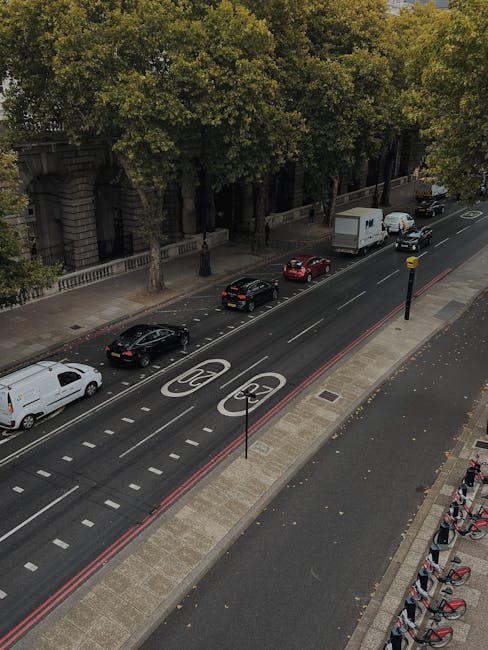
Turnpike Lane is a busy part of North London, and like many urban areas, parking and loading space can be limited. For removals, that matters more than most people realise. A van may need to stop very close to a property, sometimes for longer than a quick delivery would allow. If the vehicle blocks traffic, sits in a restricted zone, or uses a bay without permission, there is a real risk of fines or delays.
For a house move, flat move, office relocation, or even a same-day job, council permission can be the difference between a controlled loading plan and a rushed scramble. Nobody wants the crew carrying boxes half a street away because the best spot was already taken. It sounds small, but on moving day small things become big things very quickly.
There is another reason this matters: good removals planning is about respect for the street, neighbours, and local rules. If you are moving from a top-floor flat, a converted terrace, or a property on a road where traffic keeps flowing, being organised signals that you know what you are doing. That builds trust with neighbours and reduces friction. And, to be fair, that is often half the battle in London moves.
If your move also involves packing support, specialist lifting, or furniture handling, it helps to read around the rest of the moving process too. Practical guides such as smart packing advice for moving day and decluttering tips before you move can make the permit side easier because you will have fewer items to shift and less time pressure at the kerb.
How Haringey Council Permits for Turnpike Lane Removals Works
In plain English, a council permit is usually permission to use road space in a way that would otherwise be restricted. For removals, that often means one of a few common arrangements:
- parking or loading in a restricted bay with approval
- temporarily suspending a bay or part of the street
- arranging access for a larger removal van at a specific time
- making sure the vehicle is allowed to stop close enough to the property
The exact requirements can vary depending on the street, the type of vehicle, the length of time needed, and whether the location is already heavily controlled. In practice, the process often begins with checking the address, the route, and the parking situation near both the old and new property. If your move is within Turnpike Lane, you may only need one side of the move to be specially planned. If you are moving across boroughs, both ends may need thought.
Most reputable removal teams will ask early about access. That is a good sign. It means they are not just counting boxes; they are planning the route. If you are arranging your own move with a man with a van in Turnpike Lane, the driver may still need to know whether there is room to park safely without contravening local restrictions. A smaller vehicle can make things easier, but it does not magically erase council rules.
It is also worth remembering that permits are usually time-sensitive. That means the day, hours, and bay location matter. You cannot just assume "moving day" is enough detail. The more precise the plan, the better. If the move involves an early start, a school-run street, or a busy main road near the station area, timing can be the deciding factor.
Key Benefits and Practical Advantages
Getting permit planning right brings several real-world advantages. Not abstract ones. The kind you feel at 8:15 in the morning when the van has somewhere to stop and the kettle is still warm.
- Less delay: the team can load and unload closer to the property.
- Lower stress: fewer last-minute arguments over parking or bays.
- Better safety: less carrying distance means less risk of dropping items or straining backs.
- Fewer penalties: you reduce the chance of fines or enforcement issues.
- Improved efficiency: removal time is used on the actual move, not on searching for space.
There is also a commercial upside. If you are comparing removal companies in Turnpike Lane, you will notice the better ones ask detailed questions before quoting. That usually means they understand how local access affects the job. A cheap quote that ignores parking can become expensive later, especially once waiting time or extra handling is added.
For bigger moves, the permit question affects more than one task. A sofa, for example, is a pain to carry if the van is parked too far away. The same goes for awkward items, like beds, fridges, or office furniture. Helpful reading such as bed and mattress moving tips and furniture removals in Turnpike Lane can help you understand how access and item size affect the whole move.
Who This Is For and When It Makes Sense
Permit planning is not only for huge removals. In fact, many smaller jobs benefit from it just as much because cramped streets do not care whether you have two boxes or twenty-two.
You will likely need to think about Haringey Council permission if you are:
- moving from a flat with limited front access
- using a van on a road with controlled parking
- moving furniture, bulky items, or fragile specialist pieces
- booking a same-day move and need quick roadside access
- managing a student move with multiple short trips
- relocating an office where timing and loading access are critical
It also makes sense if you are the sort of person who wants the day to feel orderly. Some people can improvise on the fly. Others, quite sensibly, would rather know where the van is going to be parked before the first mug is boxed up. If that is you, good. You are thinking like a mover, not just a person with tape.
Students moving around Turnpike Lane often underestimate how much access matters. Between shared buildings, stairs, and narrow entrances, the easiest win is often getting the van positioned well. If that sounds familiar, our student removals Turnpike Lane page may be useful. Office moves are similar in one important way: timing and parking can make the entire relocation feel either smooth or chaotic. That is why office removals in Turnpike Lane tend to rely on tighter planning than people expect.
Step-by-Step Guidance
Here is a practical way to think about the process. This is not about turning you into a parking expert. It is about helping you avoid the obvious traps.
- Check the street setup. Look at parking restrictions, bay markings, yellow lines, and any loading limits near both addresses.
- Confirm the vehicle size. A small van, medium van, or larger removal vehicle may each create different access issues.
- Estimate loading time. Be honest. A one-bedroom flat with stairs may take longer than you first think.
- Identify the safest stopping point. The closest place is not always the best place if it blocks traffic or sits under a restriction.
- Ask about council permission early. Do not leave this until the night before. That is how plans get messy.
- Match packing to access. If the van must park farther away than expected, pack items in a way that speeds up carrying and stacking.
- Build in a small time buffer. Traffic, lift access, keys, and neighbour access can all change the day.
A useful rule of thumb: if you are unsure whether the van can legally stop where you want it, assume it needs checking. That one habit can save a lot of grief. Moving day already has enough little surprises. No need to add parking drama to the list.
While you are planning, it can help to coordinate packing and lifting strategy. For example, our guide on lifting heavy items safely covers sensible manual handling basics, and the moving crew may benefit from your items being grouped logically rather than scattered into random boxes. If you are using our packing and boxes service in Turnpike Lane, that kind of organisation becomes even easier.
Expert Tips for Better Results
Here are the practical details people often miss, especially when they are juggling keys, cleaners, and landlords at the same time.
- Start with access, not boxes. Before packing too much, work out where the van can stop.
- Use a shorter carry route wherever possible. Every extra metre adds time and effort, especially for heavy items.
- Keep one "first off" box separate. Put in keys, tea bags, chargers, and the things you will need immediately.
- Tell neighbours if a vehicle will block space briefly. A quick heads-up can soften tension.
- Photograph the parking bay or street layout. It helps if you need to explain the site to a removals provider.
- Allow for weather. Rain in London changes everything. Slippery pavements and wet boxes are not fun.
One small but useful habit is to leave the route from the property to the van completely clear. Shoes by the door, plant pots, recycling, loose mats - all of that can become a nuisance when people are carrying wardrobes or stacked boxes. It sounds obvious until you are doing it in a rush at 7:40 in the morning.
If the move includes awkward or specialist items, plan that separately rather than treating them like ordinary boxes. A piano, for example, is not a "just carry it down" item. Our local page on piano removals in Turnpike Lane and the related guide on why piano moving is best left to experts both explain why access and handling matter so much for specialist jobs.
Common Mistakes to Avoid
Most moving problems are not dramatic. They are ordinary little errors stacked together. The permit side is no different.
- Leaving it too late. The biggest mistake. Access planning should happen well before moving day.
- Assuming one rule fits every street. A road in Turnpike Lane may differ from a nearby side street.
- Choosing the van before checking the location. Bigger is not always better in tight residential areas.
- Ignoring loading time. Even a short move can become long if stairs, lifts, or poor access are involved.
- Forgetting collection and drop-off timing. Both ends matter, not just the starting address.
- Not telling the removals team about restrictions. A clear briefing helps them plan properly.
There is also the human mistake: assuming the move will be "fine somehow." Sometimes it will. But often that approach means you spend the day carrying stress along with the furniture. Better to be a little overprepared than to discover there is nowhere legal to stop when the van arrives.
A related issue is property readiness. If you have not cleaned, decluttered, or packed properly, even a valid permit will not make the move feel easy. That is why a good preparation routine matters. You may also find this cleaning guide for moving out useful if you want the handover to go smoothly too.
Tools, Resources and Recommendations
You do not need a van full of gadgets to handle a local move well. A few simple tools and the right planning documents will usually do more than fancy extras.
| Tool or Resource | Why It Helps | Best Used For |
|---|---|---|
| Street photos or maps | Helps assess parking, bay positions, and turning space | Pre-move access checks |
| Packing labels | Speeds up loading and unloading at a distance | Organised box handling |
| Furniture blankets and straps | Protects items during short urban trips | Furniture and fragile loads |
| Checklist notes | Reduces forgotten access details | Move coordination |
| Removal quote and inventory | Helps match the right vehicle and timing to the job | Costing and planning |
For a fuller service picture, you can review our services overview and, if you are comparing options, our pricing and quotes page. Those pages help you understand how access, timing, and vehicle choice can influence the final plan.
Storage is another sensible fallback if completion dates do not line up neatly. A permit will not solve a gap between moving out and moving in, so it is worth considering storage in Turnpike Lane if you need a temporary buffer. Sometimes that is the calmest decision. Honestly, it can feel like a small miracle on a difficult week.
Law, Compliance, Standards, or Best Practice
This topic sits close to local parking controls, public road use, and safe vehicle operation, so caution matters. Exact council requirements can change by street, vehicle type, and timing, and they should always be checked directly with the local authority or through a qualified removals provider familiar with the area. It would not be sensible to guess on this one.
As a general best practice in the UK removals sector, a good plan should consider:
- lawful parking and loading arrangements
- safe access for pedestrians and residents
- reasonable manual handling to reduce injury risk
- insurance and protection for belongings in transit
- clear communication about timings and responsibilities
That is why many customers also look at service and trust pages before booking. Our health and safety policy and insurance and safety information are useful if you want to understand the standards behind a well-managed move. In the same vein, if you want to know more about the company itself, the about us page can help set expectations.
For moves involving fragile, heavy, or awkward items, best practice often means using the right lifting techniques and not trying to be a hero. There is a reason people leave piano moves to the specialists. One back twinge and suddenly the whole day changes. Not worth it.
Options, Methods, or Comparison Table
If you are deciding how to handle access for a Turnpike Lane move, it helps to compare the main approaches. There is rarely one perfect answer; the best choice depends on the street, the size of the move, and how much time you have.
| Approach | Best For | Pros | Trade-Offs |
|---|---|---|---|
| Standard street parking without extra permission | Low-restriction roads with easy access | Simple and fast if space is available | Risky on controlled streets; may not be legal |
| Council permit or bay arrangement | Busy streets, flats, and restricted parking zones | More reliable, closer loading, fewer surprises | Needs advance planning and possible admin time |
| Smaller vehicle and multiple runs | Very tight streets or partial access | Easier to manoeuvre and park | May take longer overall |
| Storage-first move | Delayed completion or staggered move-in dates | Reduces pressure and gives flexibility | Extra handling and a separate storage step |
For many Turnpike Lane homes, the most realistic answer is a blend of methods: a sensible vehicle, clear access planning, and possibly temporary storage if timing is awkward. That is especially true for flats and shared buildings. If you live in a compact property, our flat removals page explains the kind of access issues that often come up in this part of London.
Case Study or Real-World Example
Imagine a typical Friday move from a first-floor flat near Turnpike Lane. The tenant has boxes packed, a bed frame dismantled, and a sofa that looked smaller in the photos than it does in person. The street is moderately busy, parking is tight, and there is a narrow gap between two parked cars outside the building. On paper, it looks manageable. In real life, it is exactly the kind of move that benefits from proper access planning.
The removals team checks the street in advance, confirms that the vehicle can stop legally, and plans the loading sequence so the heaviest items come out first. The tenant has used a decluttering pass, so there are fewer bags to move than expected. The mattress is wrapped, the boxes are labelled, and the path to the van is kept clear. There is a light drizzle at around 9am, but the job still moves steadily because nobody is hunting for parking at the last minute.
Now compare that with a rushed approach. The van arrives, there is no legal stopping place, the team has to park farther away, and every item takes longer to carry. The move still gets done, but the day feels longer, heavier, and a bit less friendly. That gap between the two scenarios is why council permits and access planning are worth taking seriously. Small detail, big difference.
If you are moving a full house rather than a flat, the same principles apply. The scale changes, but the access issue remains. Our house removals service in Turnpike Lane is designed around the sort of planning that helps prevent those awkward delays.
Practical Checklist
Use this checklist before moving day. It is simple, but it covers the stuff people forget when they are busy.
- Confirm both addresses and the moving date.
- Check parking restrictions near the property.
- Identify where the removal van can stop legally.
- Ask whether a council permit or bay suspension is needed.
- Share access details with your removals provider early.
- Measure large items if access is tight.
- Pack heavy items into smaller boxes where possible.
- Keep essentials separate for the first day.
- Clear hallways, entrances, and stairwells.
- Plan for weather, keys, and any lift bookings.
- Have a fallback plan if parking is unexpectedly restricted.
If you want more help getting the practical side right, the guides on reducing moving stress and decluttering before a move pair well with the permit planning process. Less clutter. Less rush. Much better day.
Conclusion
Haringey Council permits for Turnpike Lane removals are not just a box-ticking exercise. They are part of making a local move safe, legal, and practical. When the street is tight and the schedule is already full, having the right access plan can save time, reduce stress, and protect your belongings from avoidable hassle.
The key is simple: check the street early, match the vehicle to the location, communicate clearly, and leave yourself a little breathing room. That way, moving day feels like a planned job rather than a series of lucky guesses. And let's face it, moving already asks enough of you without parking becoming the main event.
If you are comparing services, need help with access planning, or want a smoother route through the rest of the move, take a look at the related pages on removals, packing, storage, and safety. A well-prepared move is a calmer move. Even the small things matter.
Get a free quote today and see how much you can save.